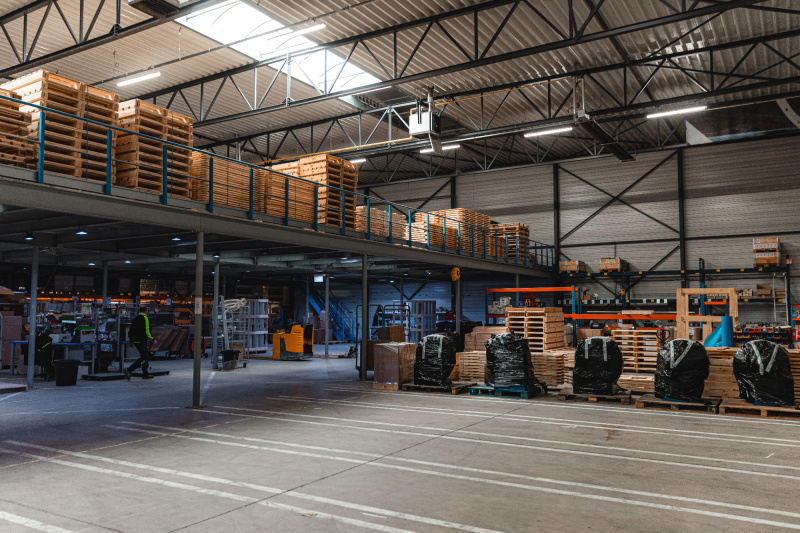
Filter comparison for HVAC systems
Filter Comparison for HVAC Systems Hardworking industrial environments need even harder working HVAC systems that can easily cope with the day-to-day hazards of harmful dust, odours, smoke, bacteria, and more. To create a clean and healthy work environment, it’s necessary to install a top-quality HVAC dust extraction system with the right kind of filter that is up to the task.
The primary purpose of filters in industrial HVAC systems is to trap dangerous particles within the air sucked into the ductwork and prevent them from causing an obstruction or clogging up essential system components. This helps maintain a safe workplace for employees, keeps productivity on track and ductwork in good condition, and protects the environment.
When choosing which type of filtration to install, it’s important to consider fundamental factors such as the demands placed on the HVAC system, budget, and ease of maintenance. Regular maintenance and filter changes are crucial for ensuring the efficiency and longevity of any HVAC system, regardless of the filter type.
The two main options are cartridge and bag filters. Understanding the differences between these two types of filters can help you make an informed decision regarding which one is best suited to your particular needs.
Cartridge filters:
Precision and efficiency
Cartridge filters are highly efficient filtration systems commonly used in industrial HVAC units. They are designed to provide maximum filtration efficiency and dust-holding capacity, which makes them particularly suitable for environments where air purity is a priority.
Bag filters:
Versatility and volume
Bag filters are another type of air filter used in HVAC systems, known for their ability to handle high volumes of air flow efficiently. They are typically used in commercial and industrial settings where large volumes of air must be cleaned regularly.
-
Design and Functionality
Cartridge filters feature a cylindrical design that allows them to maximize the surface area in a compact form. This design facilitates the capture of particulates as air flows through the media. They are typically made from pleated synthetic materials or fine fibrous media, which can trap a wide range of particle sizes, from large debris to microscopic contaminants.
-
Efficiency
These filters are renowned for their ability to clear out pollutants to a high degree of accuracy, often filtering particles as small as 0.3 microns. This makes them an excellent choice for settings where air quality directly impacts operational processes, such as manufacturing facilities or data centers.
-
Application areas
Due to their efficiency, cartridge filters are often utilized in pharmaceutical manufacturing, electronics manufacturing, and other industries where clean air is crucial to product quality and regulatory compliance.
-
Design and Functionality
Bag filters consist of long, fabric bags that are suspended inside the filter housing. Air passes through the fabric, leaving behind particles trapped on the surface or within the fibers of the bag. The bags can be made from various materials, including synthetics and natural fibers, to suit different filtering needs.
-
Capacity
One of the significant advantages of bag filters is their high dust holding capacity. They are capable of handling more dust before requiring maintenance, which is beneficial in industries with high particulate environments like woodworking or metal fabrication.
-
Application areas
Bag filters are ideal for use in commercial buildings, hospitals, and paint applications where large air volumes are processed and a moderate level of filtration is sufficient.
Comparing cartridge and bag filters
When choosing between cartridge and bag filters, several factors should be considered:
-
Efficiency needs
Cartridge filters offer superior efficiency and are better suited for environments where air purity is critical. In contrast, bag filters provide ample filtration for settings where air quality requirements are less stringent but still need to manage large volumes of air.
-
Maintenance and cost
Cartridge filters may require more frequent replacements depending on the air quality, potentially leading to higher operational costs. Bag filters, while larger and potentially more cumbersome to replace, generally have a longer service life in less contaminated environments, which can reduce overall maintenance costs.
-
Space considerations
The compact design of cartridge filters makes them ideal for use in systems where space is limited. Bag filters require more space due to their size and shape, which may be a critical deciding factor in facilities with space constraints.
Ultimately, the choice between cartridge and bag filters will depend on the specific needs of the HVAC system, including the required level of air purity, the volume of air processed, and the physical space available for the filter system. By carefully assessing these factors, facility managers can ensure they select the best type of filter to meet their operational demands and maintain a clean, efficient, and healthy air environment.